Top Stone Design Trends in Modern Indian Architecture
Stonium Studio
Stone Design & Surface Specialists
Mar 4, 2026
50
min read
Explore the latest stone design trends shaping modern Indian architecture, from geometric paving to textured facades and landscape integration.
Introduction
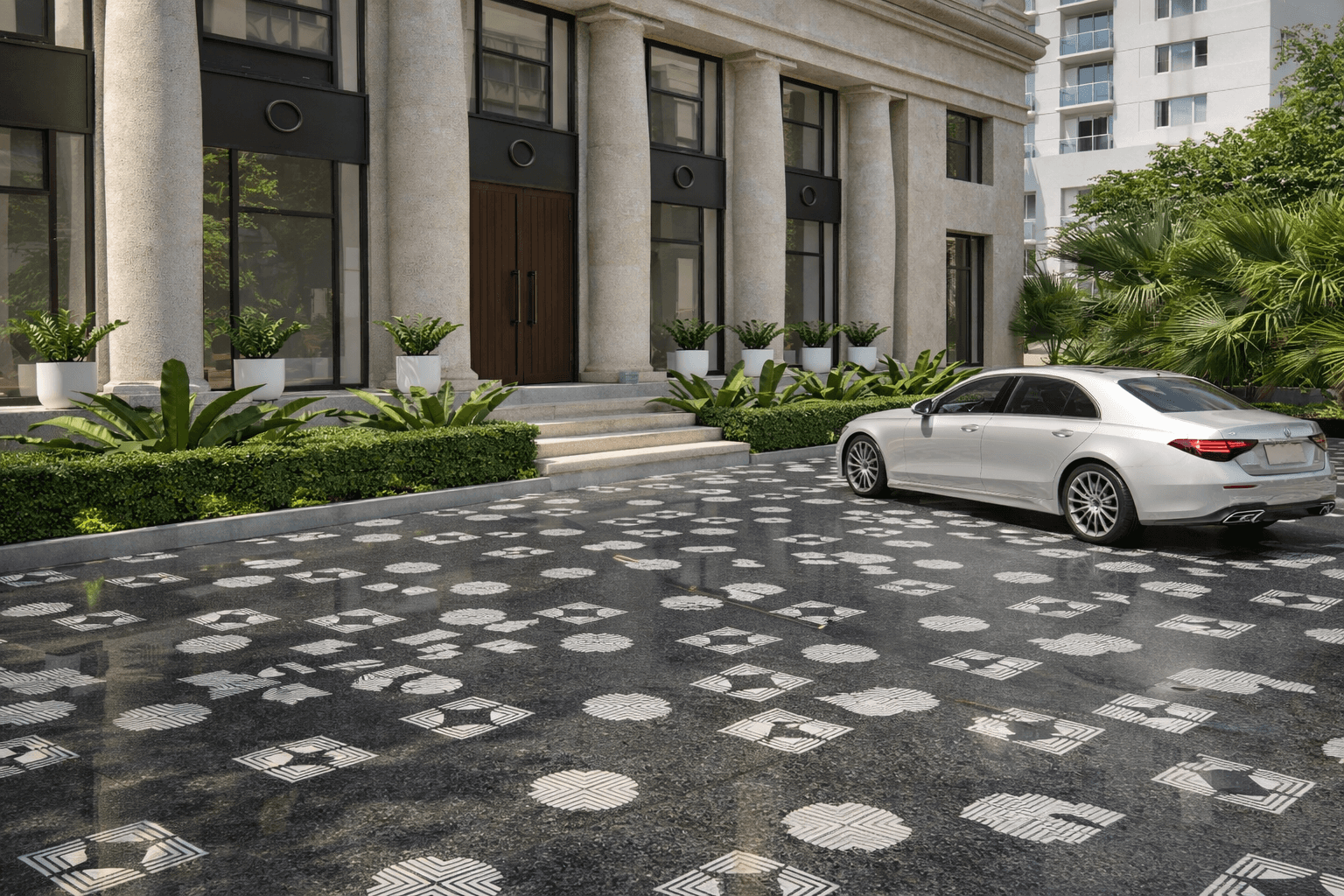
Stone has always been a core material in architecture, but its role in modern Indian design has evolved significantly. Today, it is not just about durability—it is about expression, texture, and spatial experience.
From bold geometric paving to minimal textured facades, stone is being reimagined in innovative ways across residential and commercial spaces.
1. Geometric Stone Patterns
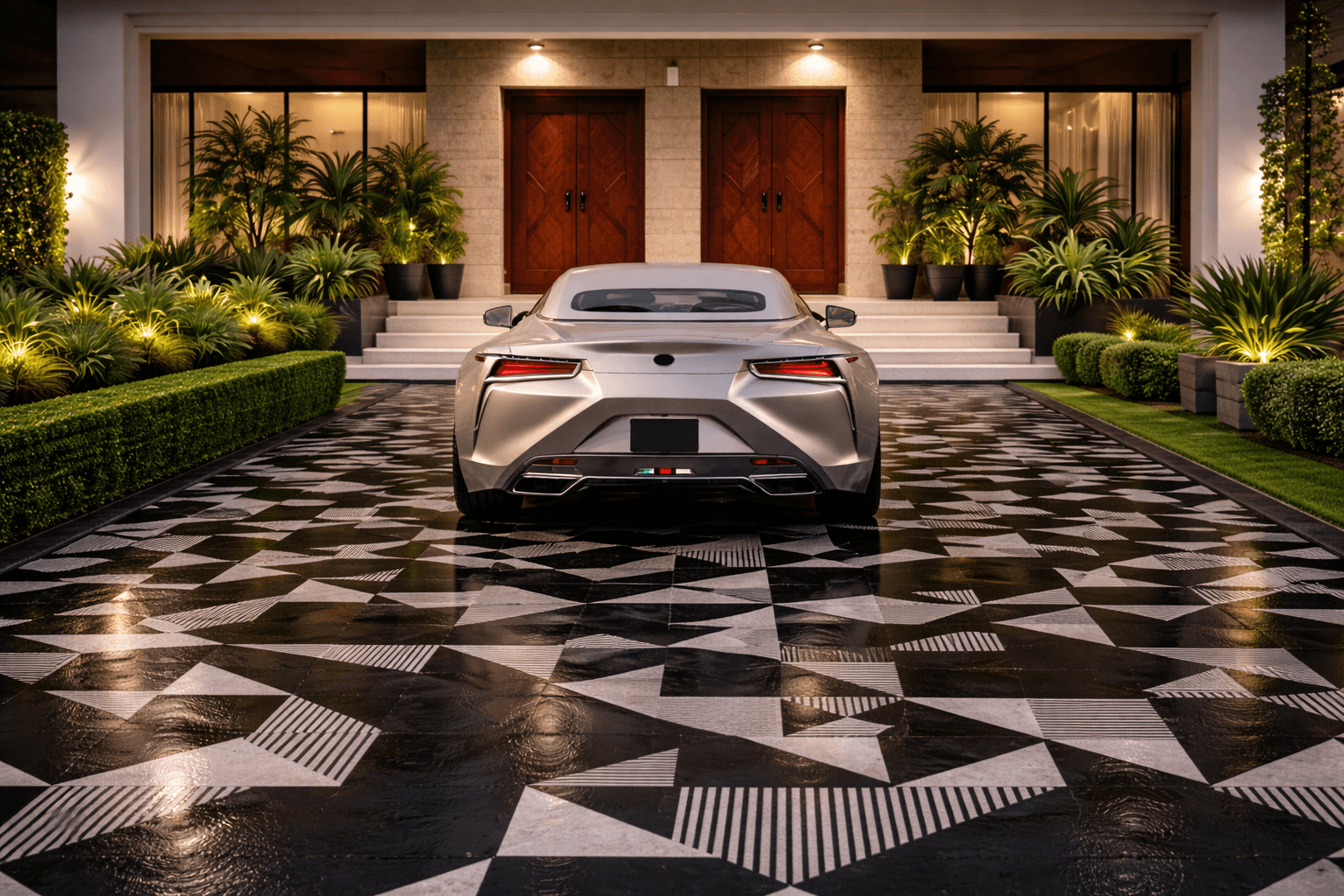
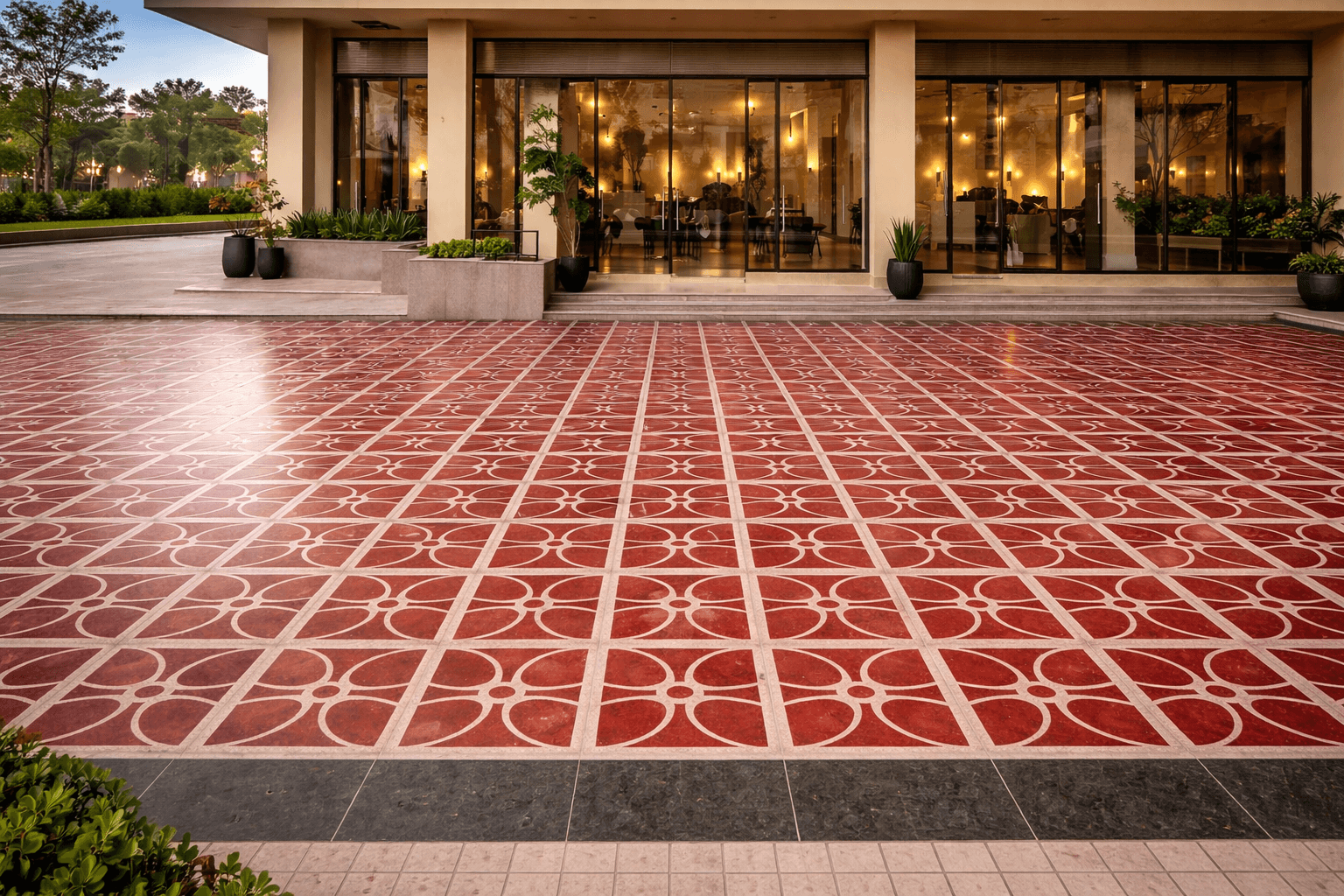
One of the most prominent trends is the use of geometric patterns in stone surfaces. Instead of traditional layouts, designers are experimenting with structured compositions that create visual rhythm.
These patterns are widely used in:
Driveways
Courtyards
Entrance zones
They add a contemporary edge while maintaining the strength of natural materials.
2. Seamless Indoor-Outdoor Integration
Modern architecture focuses on fluid transitions between indoor and outdoor spaces. Stone plays a key role in achieving this continuity.
Using the same or complementary stone surfaces across:
Living spaces
Outdoor decks
Landscape pathways
creates a cohesive and expansive visual experience.
3. Textured Finishes Over Polished Surfaces
There is a clear shift from glossy finishes to more natural, textured surfaces.
Textured stone:
Enhances grip in outdoor areas
Adds depth and character
Responds better to natural light and shadow
This trend is especially visible in landscape design and exterior flooring.
4. Statement Driveways and Entrance Spaces
Driveways are no longer just functional—they are becoming key design elements.
Patterned stone paving, contrasting tones, and bold layouts are being used to create strong first impressions. These spaces now act as an extension of the architecture itself.
5. Stone as a Design System, Not Just a Material
Instead of treating stone as a standalone material, designers are now using it as part of a larger system.
This includes:
Pre-designed patterns
Modular layouts
Integrated surface solutions
This approach ensures consistency, efficiency, and a more refined final outcome.
6. Minimal Color Palettes with Strong Texture
Modern stone applications are moving toward neutral tones like greys, blacks, and earthy shades.
Rather than relying on color, the focus is on:
Pattern
Texture
Light interaction
This creates timeless spaces that remain relevant over time.
Conclusion
Stone continues to evolve as a defining element in modern Indian architecture. With a growing focus on design, texture, and innovation, it is no longer just a construction material—it is a medium of expression.
At Stonium, we explore stone beyond its traditional use, creating surfaces that align with contemporary design thinking and architectural needs.