Natural Stone vs Tiles: Which is Better for Outdoor Flooring?
Stonium Studio
Stone Design & Surface Specialists
Apr 4, 2026
7
min read
Confused between natural stone and tiles for outdoor flooring? Compare durability, aesthetics, maintenance, and long-term value to make the right choice.
Introduction
Choosing the right material for outdoor flooring is a critical decision in any residential or commercial project. Two of the most common options are natural stone and tiles. While both have their advantages, they differ significantly in durability, aesthetics, and long-term performance.
Understanding these differences can help you make a more informed decision for your space.
1. Durability and Strength
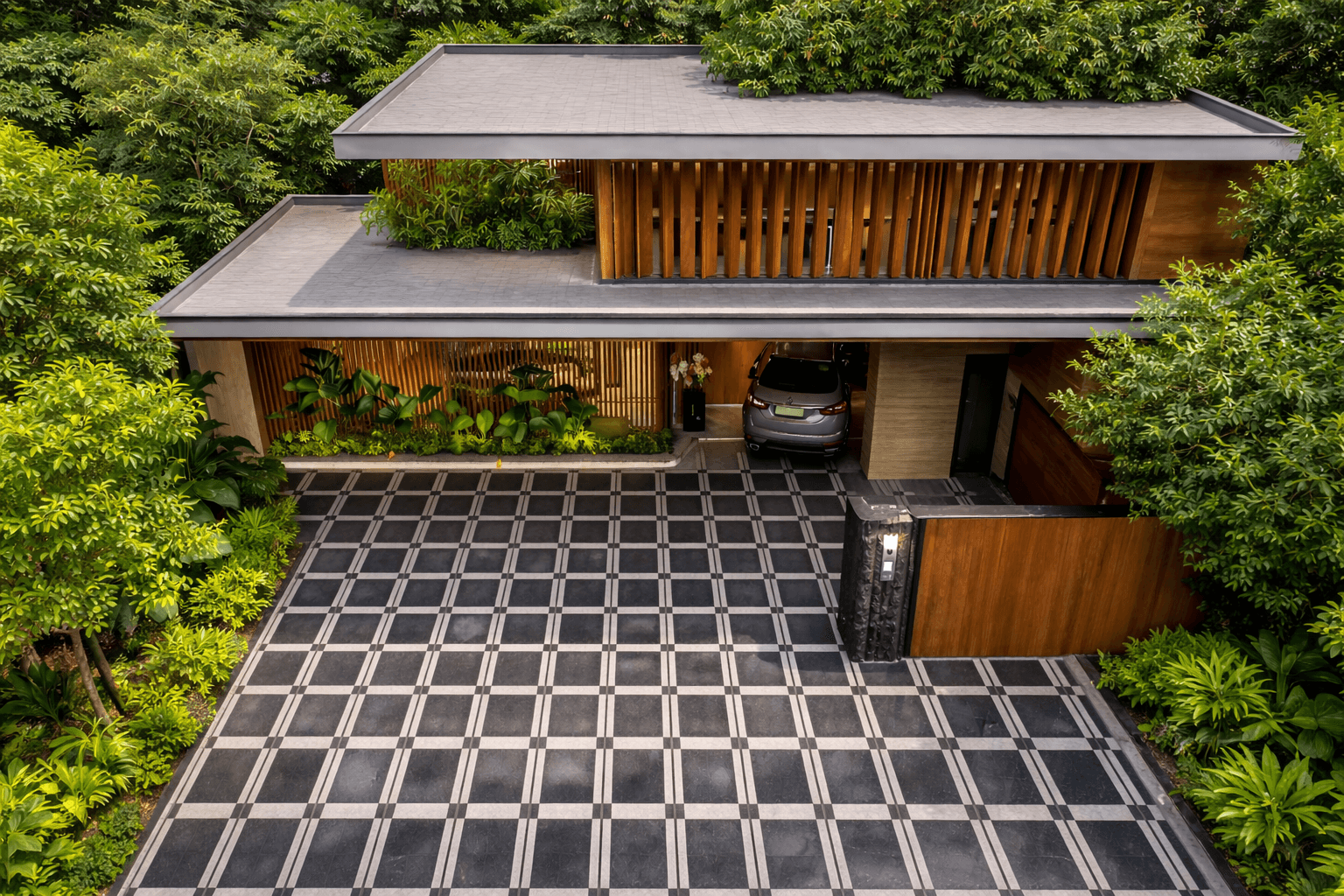
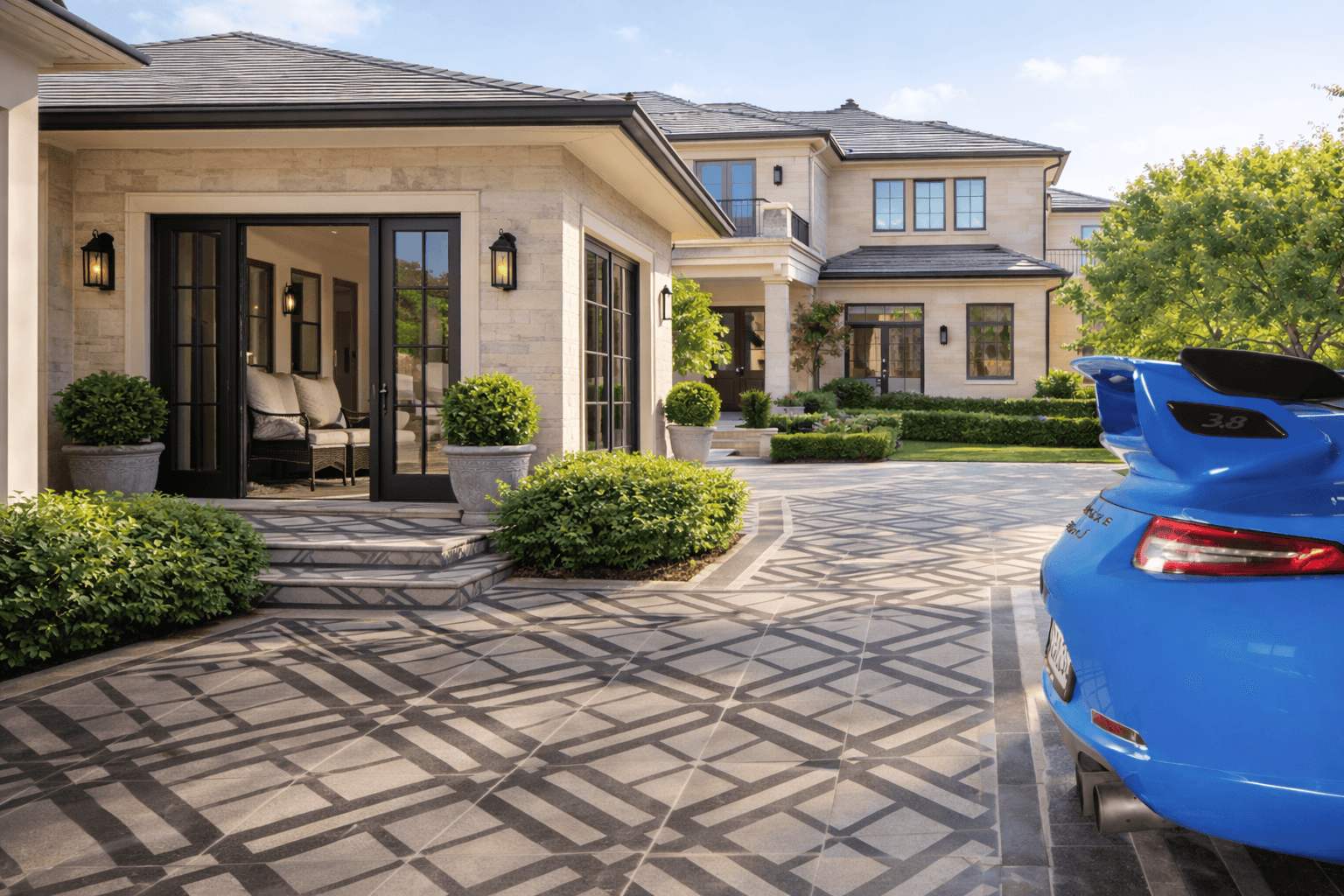
Natural stone is inherently strong and designed to withstand heavy loads, making it ideal for outdoor applications like driveways, walkways, and commercial landscapes.
Tiles, especially ceramic or vitrified options, can be more prone to cracking under pressure or impact. Over time, this can lead to frequent replacements in high-traffic areas.
2. Weather Resistance
Outdoor surfaces are constantly exposed to sun, rain, and temperature changes. Natural stone performs exceptionally well in these conditions, maintaining its structure and appearance over time.
Tiles, on the other hand, may fade, become slippery, or develop surface wear when exposed to extreme weather.
3. Aesthetic Appeal
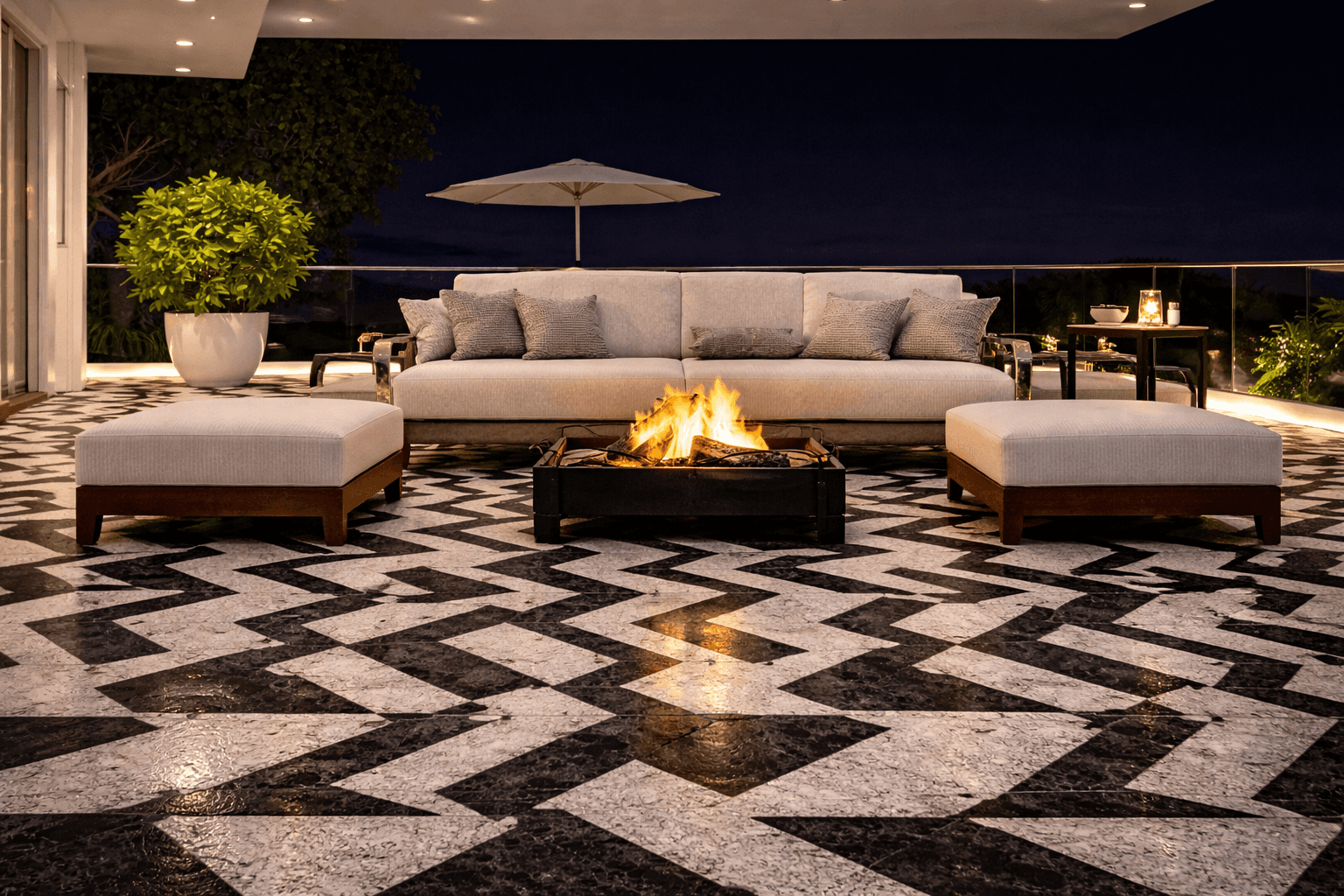
Natural stone offers a unique and organic look that cannot be replicated. Each piece has its own texture, tone, and character, giving the space a premium and timeless feel.
Tiles provide a more uniform appearance, which may suit some designs but often lacks the depth and richness of natural materials.
4. Slip Resistance and Safety
Safety is a key factor in outdoor flooring. Textured stone surfaces provide better grip, making them suitable for:
Driveways
Poolside areas
Garden pathways
Many tiles, especially polished ones, can become slippery when wet, increasing the risk of accidents.
5. Maintenance and Longevity
Natural stone requires minimal maintenance and ages gracefully. With proper installation, it can last for decades without losing its strength or visual appeal.
Tiles may require more frequent repairs, especially in outdoor environments where wear and tear are higher.
6. Long-Term Value
While tiles may seem more cost-effective initially, natural stone offers better long-term value due to its durability and low maintenance needs.
Investing in stone flooring ensures:
Fewer replacements
Better performance over time
Higher aesthetic value
Conclusion
When it comes to outdoor flooring, natural stone stands out as a more durable, safer, and visually rich option compared to tiles. While tiles may work for certain indoor applications, stone remains the preferred choice for exterior spaces.
At Stonium, we focus on creating stone surfaces that are designed for both performance and aesthetics, ensuring long-lasting value in every project.