Stone Cladding for Exterior Walls: Design Ideas for Modern Architecture
Stonium Studio
Stone Design & Surface Specialists
Mar 4, 2026
10
min read
Discover how stone cladding enhances exterior walls with durability, texture, and timeless appeal in modern residential and commercial architecture.
Introduction
In modern architecture, exterior walls are no longer just structural—they are a key part of the visual identity of a space. Stone cladding has emerged as one of the most preferred materials for facades, offering a perfect balance of durability, texture, and timeless appeal.
From luxury residences to commercial buildings, stone surfaces help create a strong and lasting first impression.
What is Stone Cladding?
Stone cladding refers to the application of thin layers of natural stone on walls to create a refined architectural finish. It enhances the appearance of a structure while maintaining the strength and resilience associated with natural materials.
Commonly used stones include:
Granite
Sandstone
Limestone
Textured engineered stone
Each material offers a unique tone, texture, and finish.
1. Elevating Building Facades
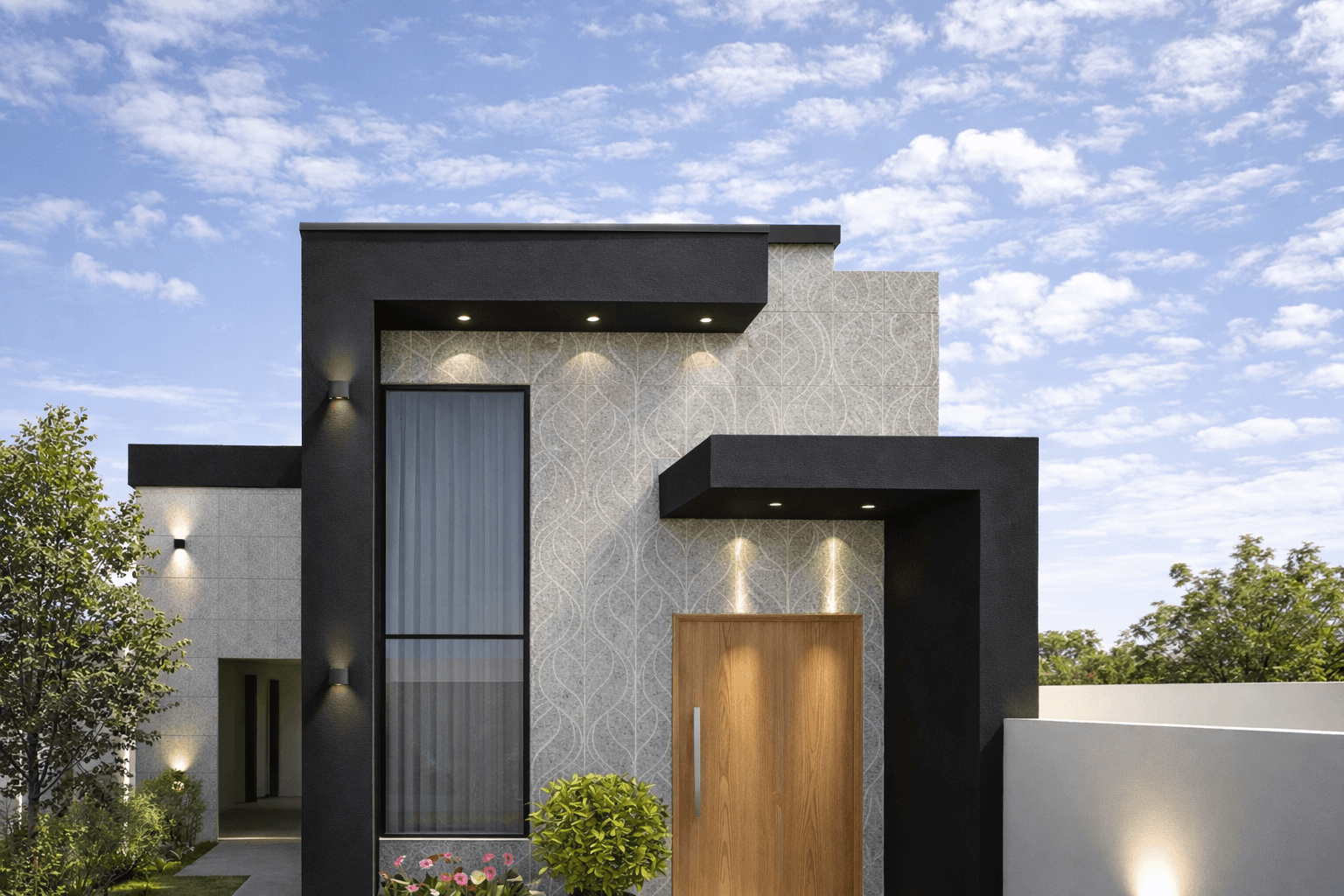
Stone cladding adds depth and character to building exteriors. Whether used across the entire facade or as an accent element, it creates a visually rich surface that stands out.
Modern designs often combine stone with materials like glass, wood, or metal to achieve a balanced architectural look.
2. Creating Feature Walls
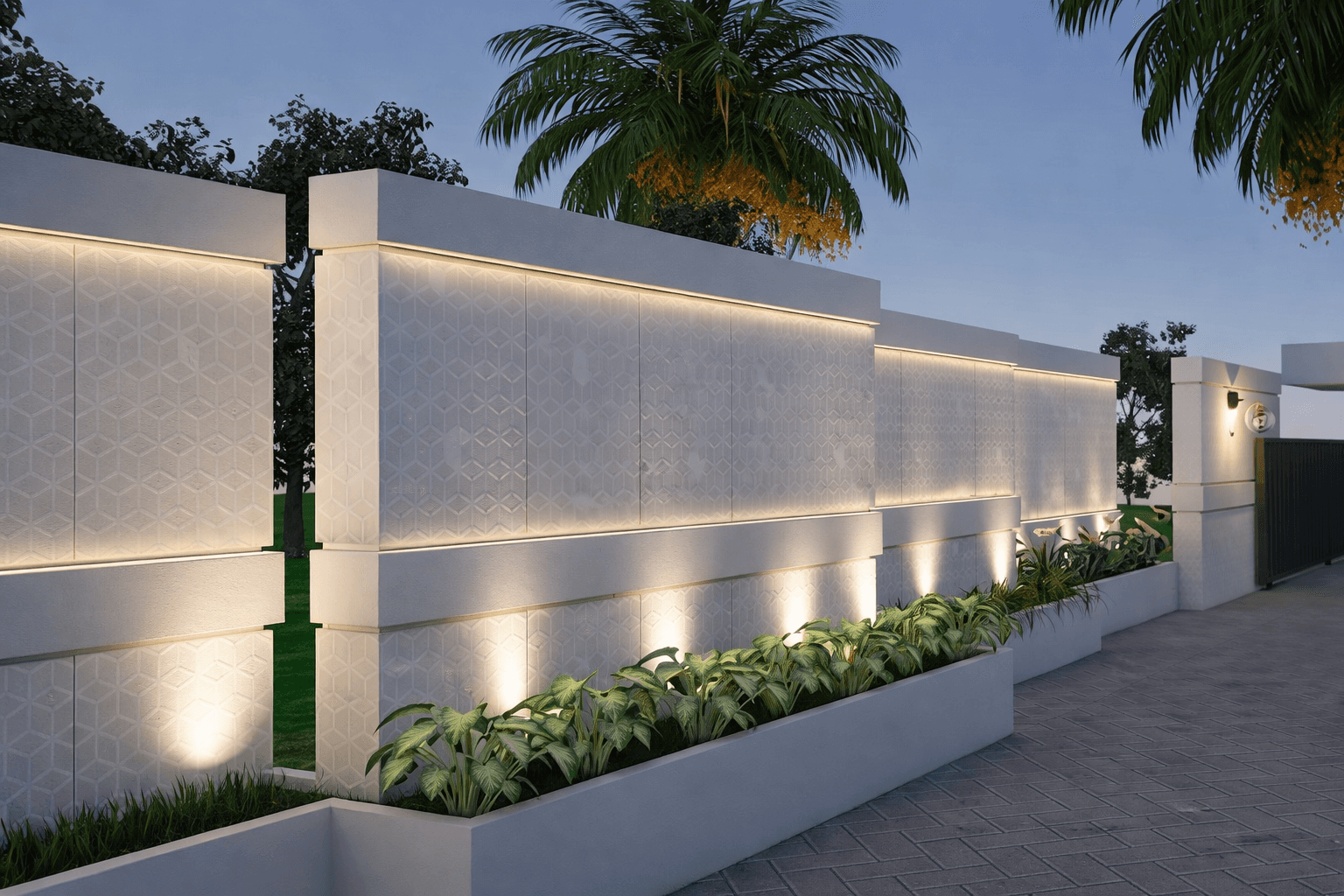
Feature walls using stone cladding can transform otherwise simple elevations into striking focal points.
This works especially well for:
Entrance walls
Boundary walls
Lobby backdrops
Garden-facing facades
Textured finishes and patterned layouts further enhance the visual impact.
3. Durability in Outdoor Conditions
One of the biggest advantages of stone cladding is its ability to withstand harsh environmental conditions.
It is:
Resistant to heat and UV exposure
Suitable for all weather conditions
Long-lasting with minimal wear
This makes it ideal for Indian climates, where durability is essential.
4. Combining Aesthetics with Functionality
Stone cladding is not just about appearance—it also adds a protective layer to the structure. It helps in insulation, reduces surface damage, and maintains the integrity of the building over time.
With the right installation, it becomes both a functional and aesthetic upgrade.
5. Versatility in Design
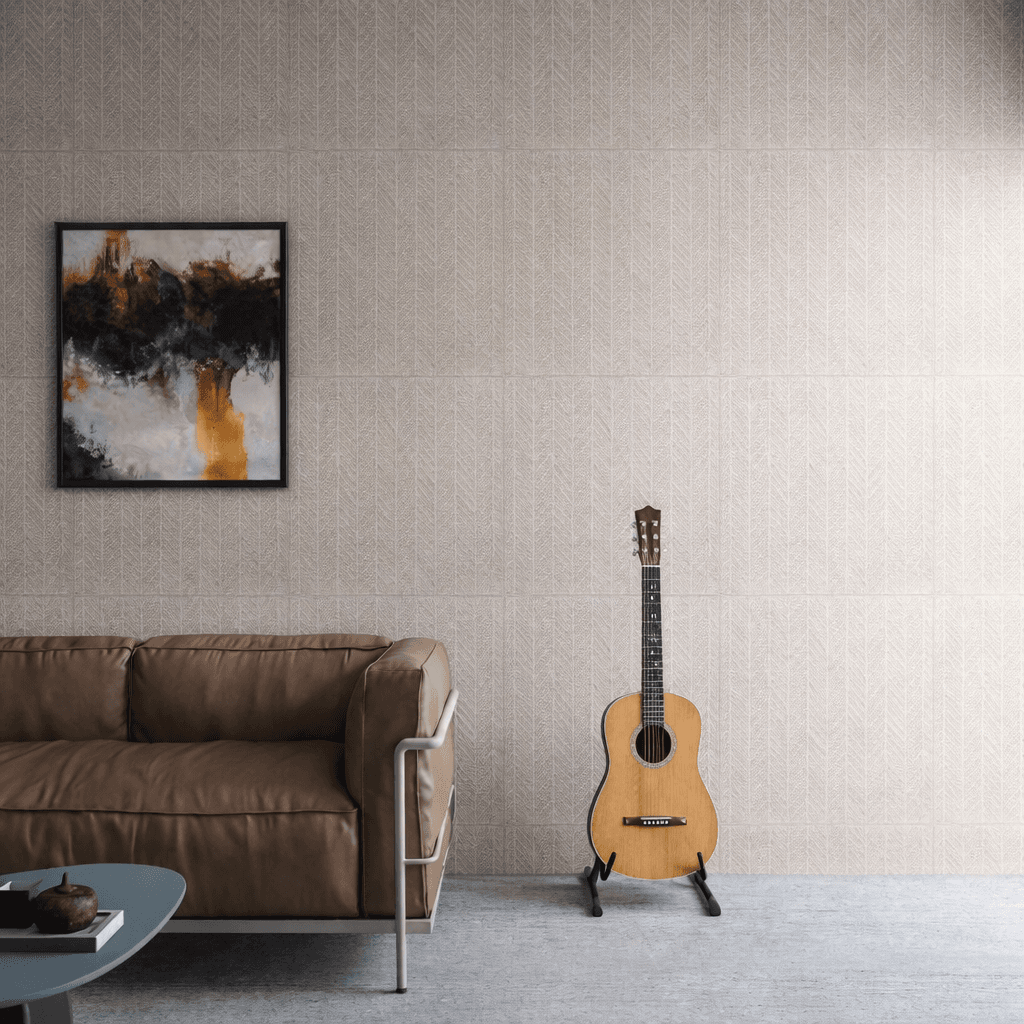
Stone cladding offers immense flexibility in design. From clean linear patterns to organic textures, it can adapt to both contemporary and traditional architectural styles.
Designers often experiment with:
Horizontal and vertical layouts
Mixed stone finishes
Light and shadow effects
Conclusion
Stone cladding continues to be a defining element in modern architecture, offering both visual richness and structural reliability. Whether used in residential homes or commercial spaces, it enhances the overall identity of a building.
At Stonium, we focus on crafting stone surfaces that integrate seamlessly into architectural design, delivering both performance and aesthetic value.